AAC
Alternative Augmentative Communication Devices - Communication for all
AAC
A Non-Verbal Communicator is a person who speaks without using their vocal cords.
Everyone needs and deserves a way to communicate. Begin the process of alternative communication by finding a good fit for your non-verbal child. Whateve
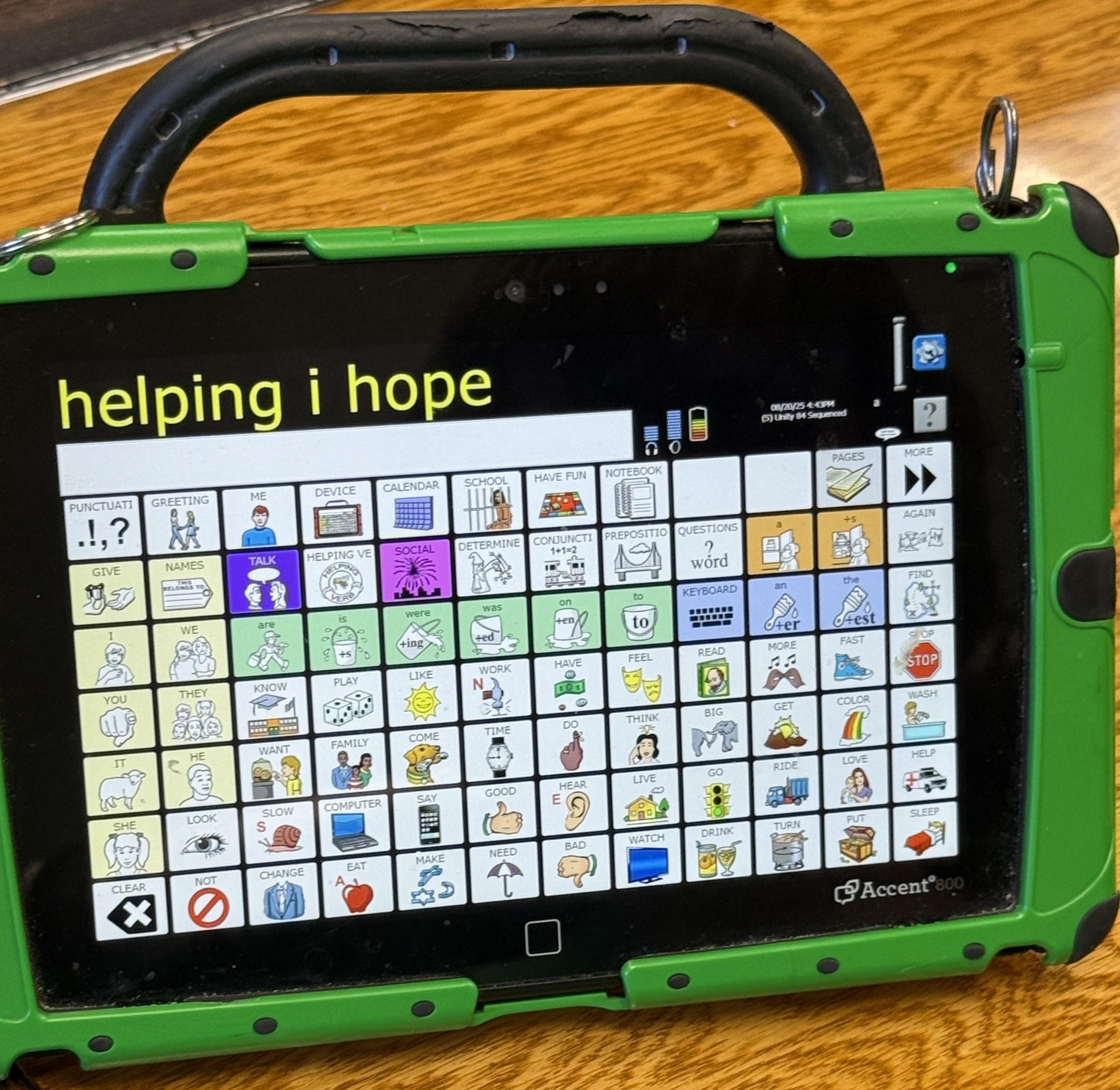
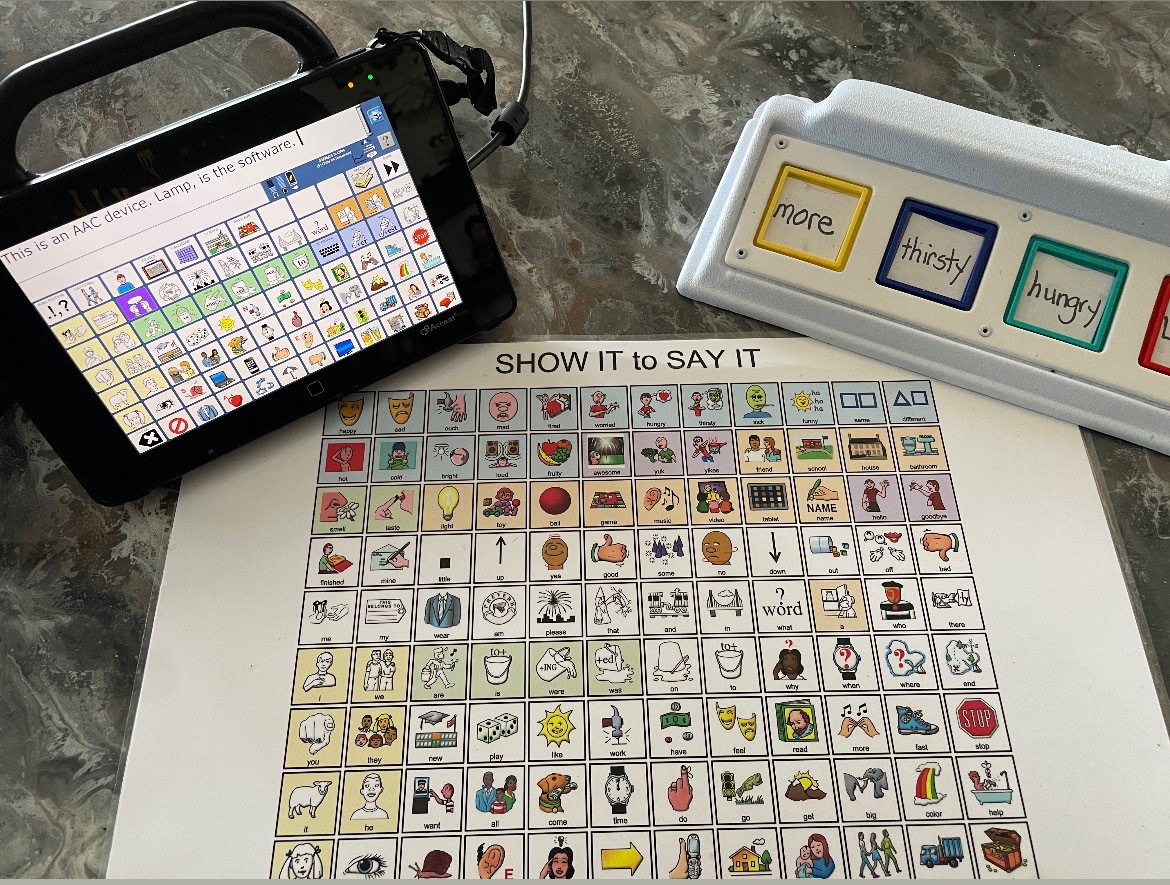
Core boards are a great option for non-verbal children. There are low tech AAC devices and high tech AAC devices available. Be selective. Look for a high quality ASHA (American Speech Language Hearing Association) recommended AAC language board with few, if any, limitations.
Then, let it be THEIRS! The communication board is their voice and an extension of their body. Ask before you touch it, respect it, and above all listen to what children say through their communication board! Let them use it, play with it, get it dirty, and take it to the playground! Damage resistant and water proof cases are highly recommended.
AAC Device & Software Resources
Explore the links below to learn more about leading AAC device and software providers. These resources come from companies such as Tobii Dynavox, PRC-Saltillo, Proloquo, and other assistive technology developers. Each link is provided so you can review their communication systems, compare features, and contact the companies directly to find the AAC option that best fits your needs.
Please visit the links below:
Remember, using an AAC device does not prevent your child from learning to speak verbally
AAC ( Alternative Augmentive Communication) Friendly Locations
ASH FORK PUBLIC LIBRARY
450 W. Lewis Ave
ASH FORK, AZ 86320
BAGDAD PUBLIC LIBRARY
700 Palo Verde #C
BAGDAD, AZ 86321
BEAVER CREEK PUBLIC/School Library
4810 E. Beaver Creek Road
Rimrock, AZ 46335
BLACK Canyon Community Library
34701 S Old Black Canyon Highway
Black Canyon City, Az 85324
Clark Memorial Library
39N Ninth Street
CLARK DALE, Az 86324
Cordes Lakes Public Library
15989 S. Cordes Lakes Drive
Cordes Lakes, A2 86333
Congress Public Library
26750 Santa Fe Road
Congress, AZ 85332
Mayer Public Library
10004 Wicks Ave
Mayer, AZ 86333
Paulden Public Library
16 W. Big Chino Road
Paulden, AZ 86334
Seligman Public Library
54170 North Floyd Street
Seligman, AZ 86337
Prescott public library
215 E Goodwin St, Prescott, Az 86303
Chino Valley Public Library
120 W Palomino Rd Chino Valley, Az 86323
Granite Creek Splash Pad
554 6th St,
Prescott, AZ 86301
Lessons by Lexe Dance Studio
3250 Gateway Blvd #106, Prescott, Az 86305
Community Nature Center
1981 Williamson Valley Rd, Prescott, Az 86305
Kayla’s Hands Playground
1200 Commerce Dr, Prescott, Az 86305
Grace Sparkes Activity Center
824 E Gurley st,Prescott, Az 86301
Starbucks
1220 Gail Gardner way, Prescott, AZ 86305
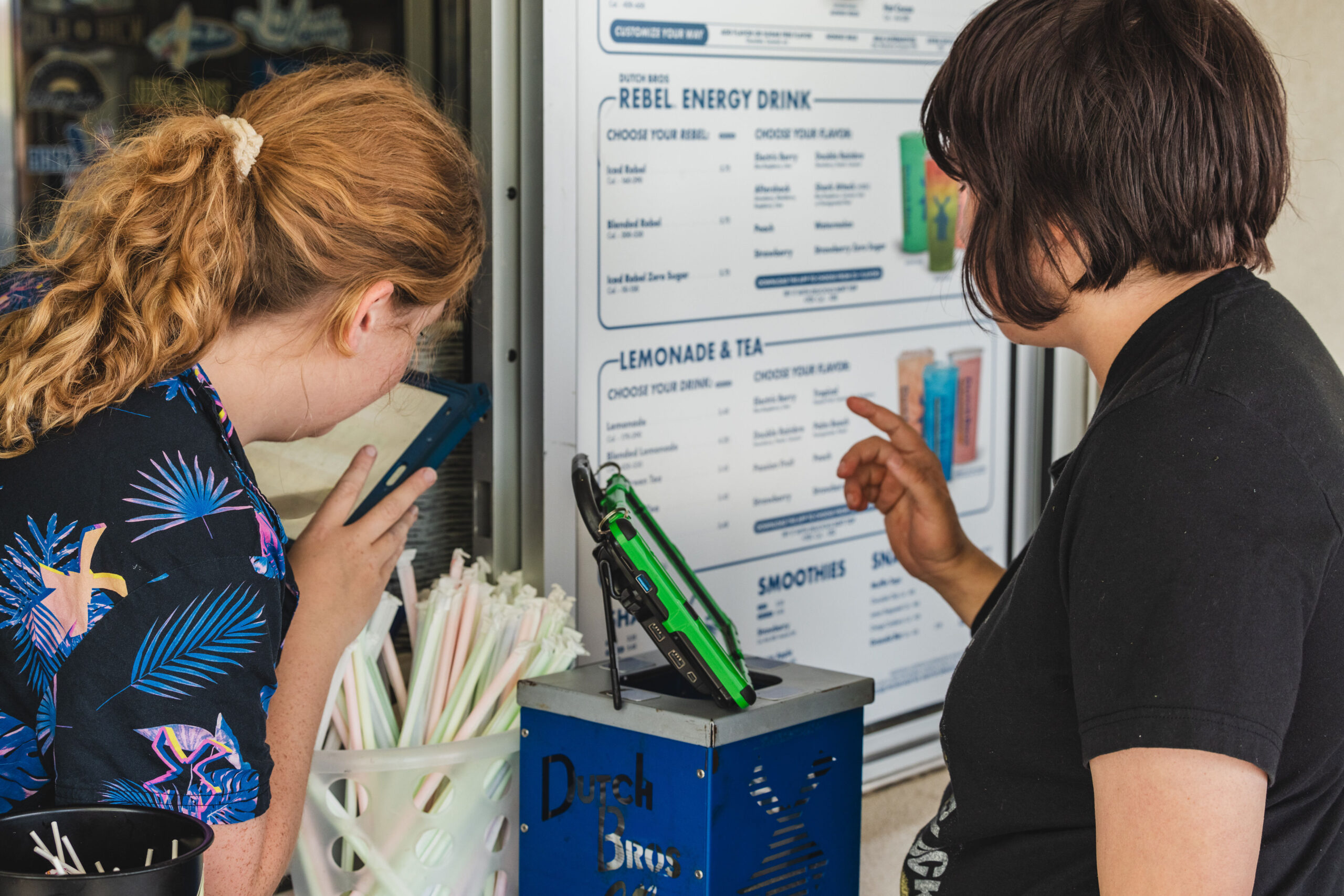
Dutch Bros Coffee Prescott:
3169 Willow Creek Rd, Prescott, Az 86301
Dutch Bros Coffee Prescott Valley
5963 E state route 69, Prescott Valley, Az 86314
Raber and Mortson pediatric dentistry Prescott Valley location:
7870 Florentine road, Prescott valley, AZ 86314
Raber and Mortson pediatric dentistry Chino Valley location
100 AZ-89, Chino Valley, Az 86323
Raber and Mortson pediatric dentistry Prescott Location
1200 Gail Gardner Way, Prescott, Az 86305
Yavapai County Health services CottonwooD
10 S 6th Street, Cottonwood, Az 86326
Yavapai County Health Services Ash fork
112 Park Ave, Ash Fork, AZ 86320
Yavapai County Health services Cottonwood
51 South Brian Mickelsen Parkway, cottonwood, Az 86326
Yavapai County Health services Prescott Valley
3212 Windsong Drive 2nd floor, Prescott Valley, Az 86314
Yavapai County Health services Prescott:
1090 Commerce Drive, Prescott, Az 86305
Prescott regional airport
6600 Airport Ave, Prescott, Az 86301
Connection center:
1200 Prescott Lakes Parkway
Building B
Prescott, Az 86301
Prescott Chamber of Commerce
117 W. Goodwin St Prescott Az 86303
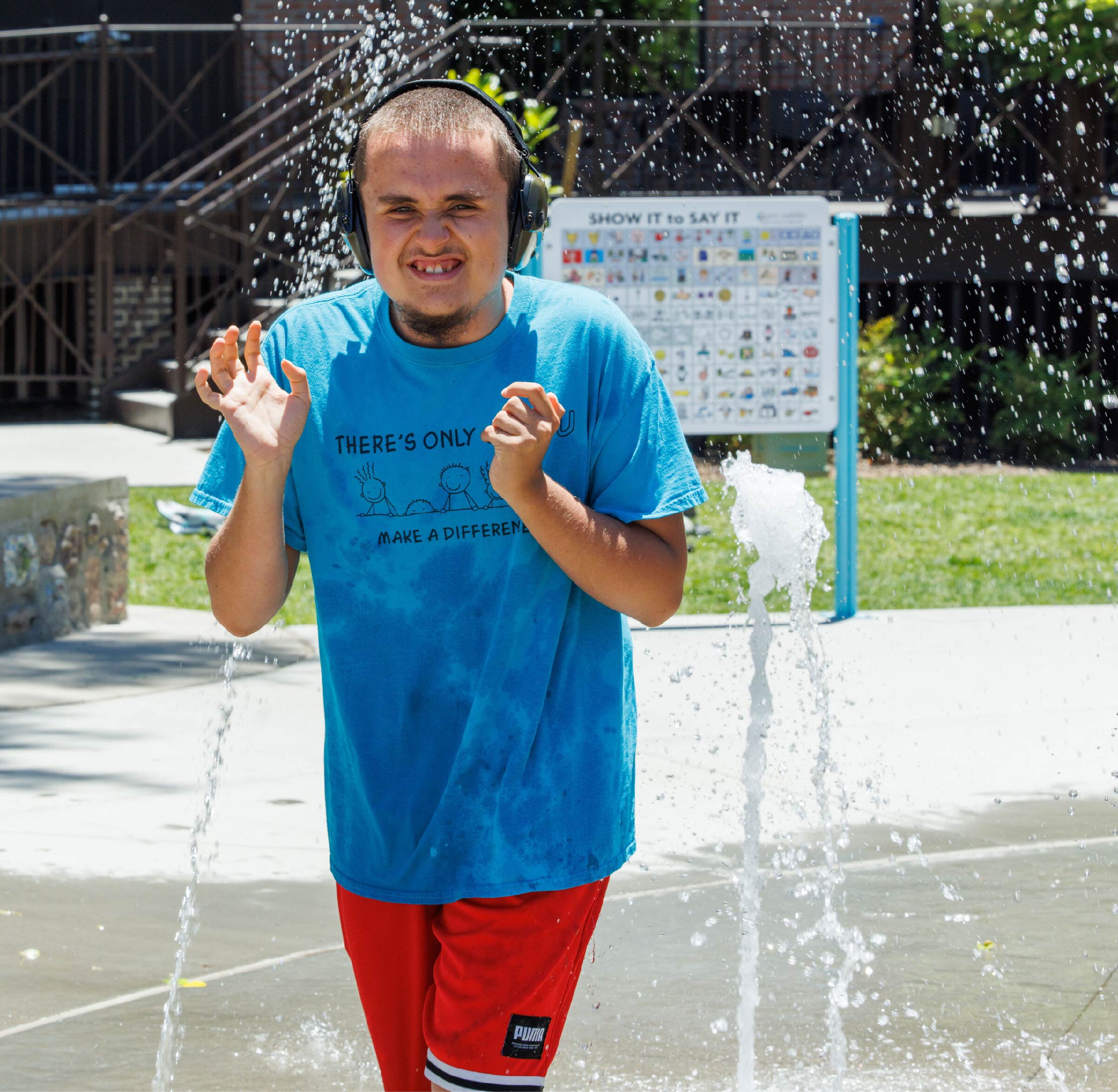
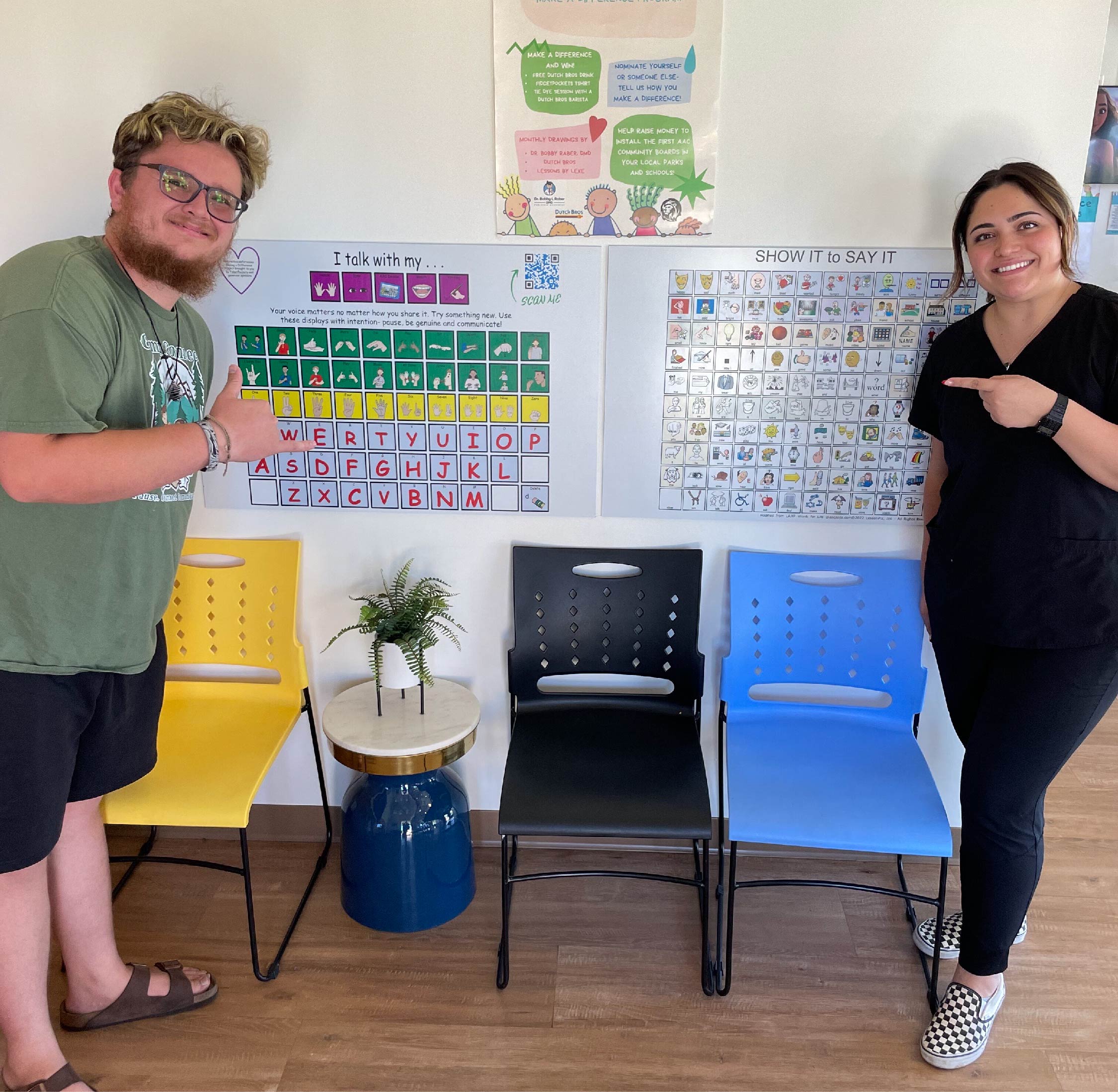
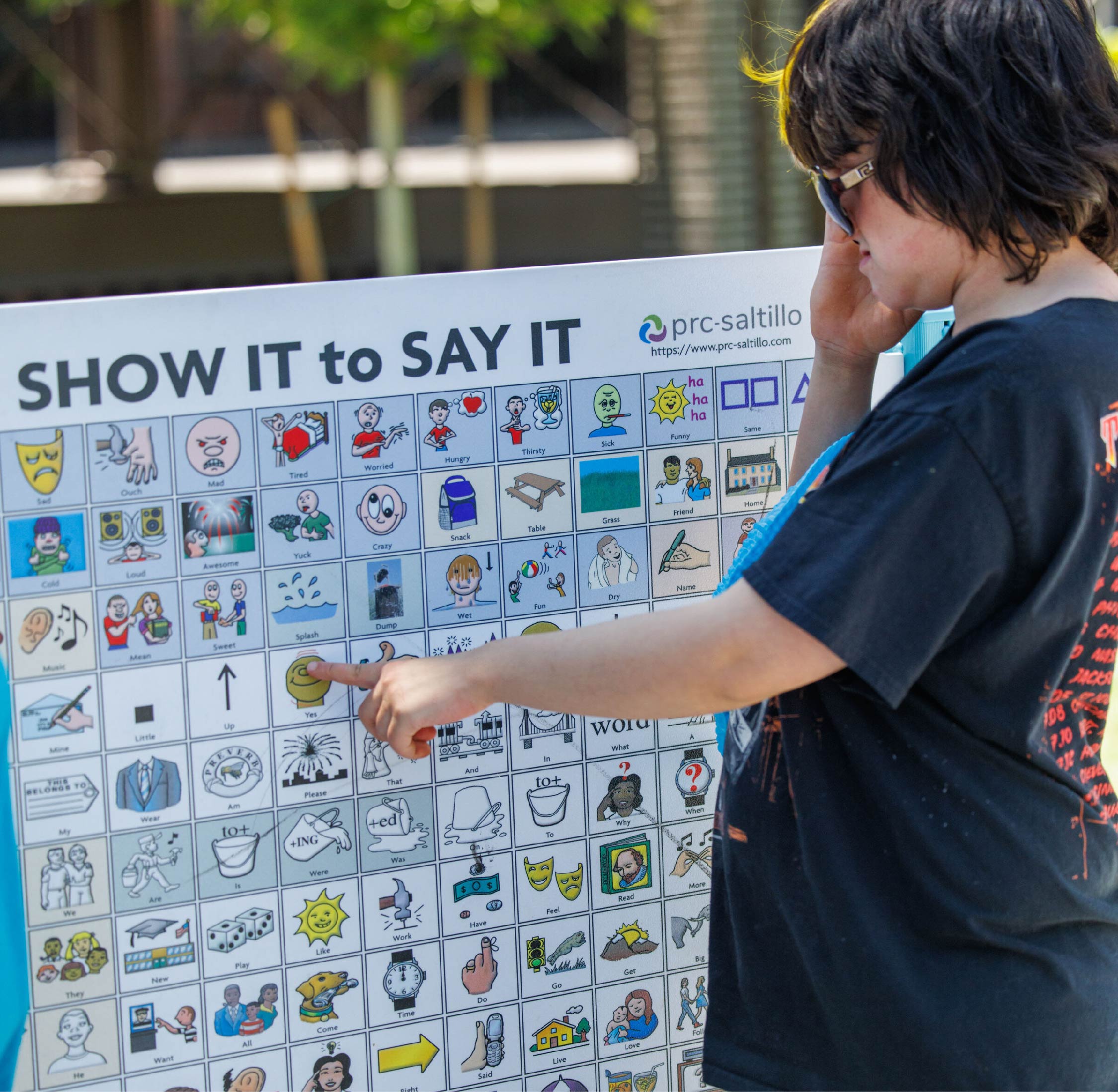
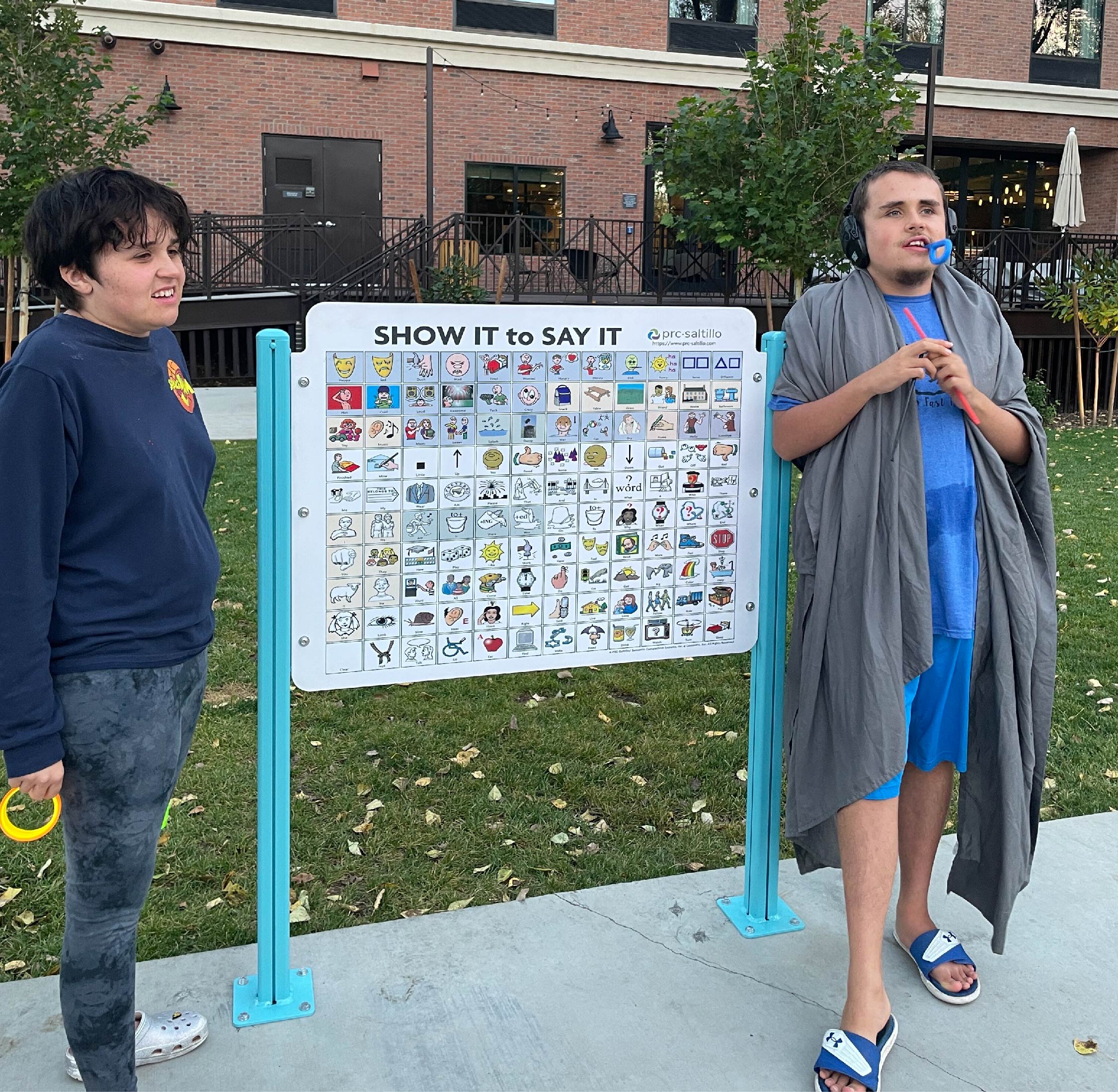
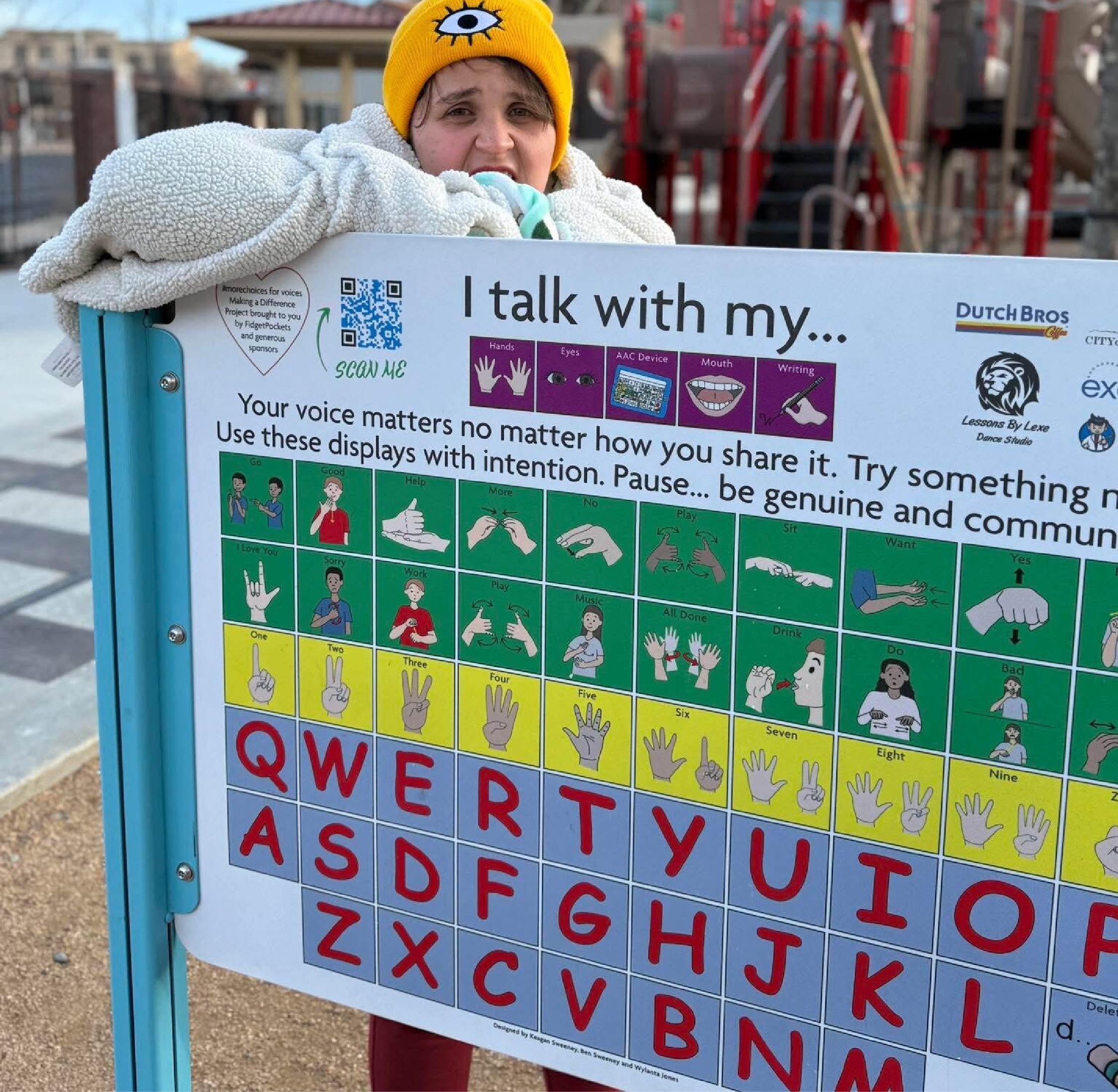
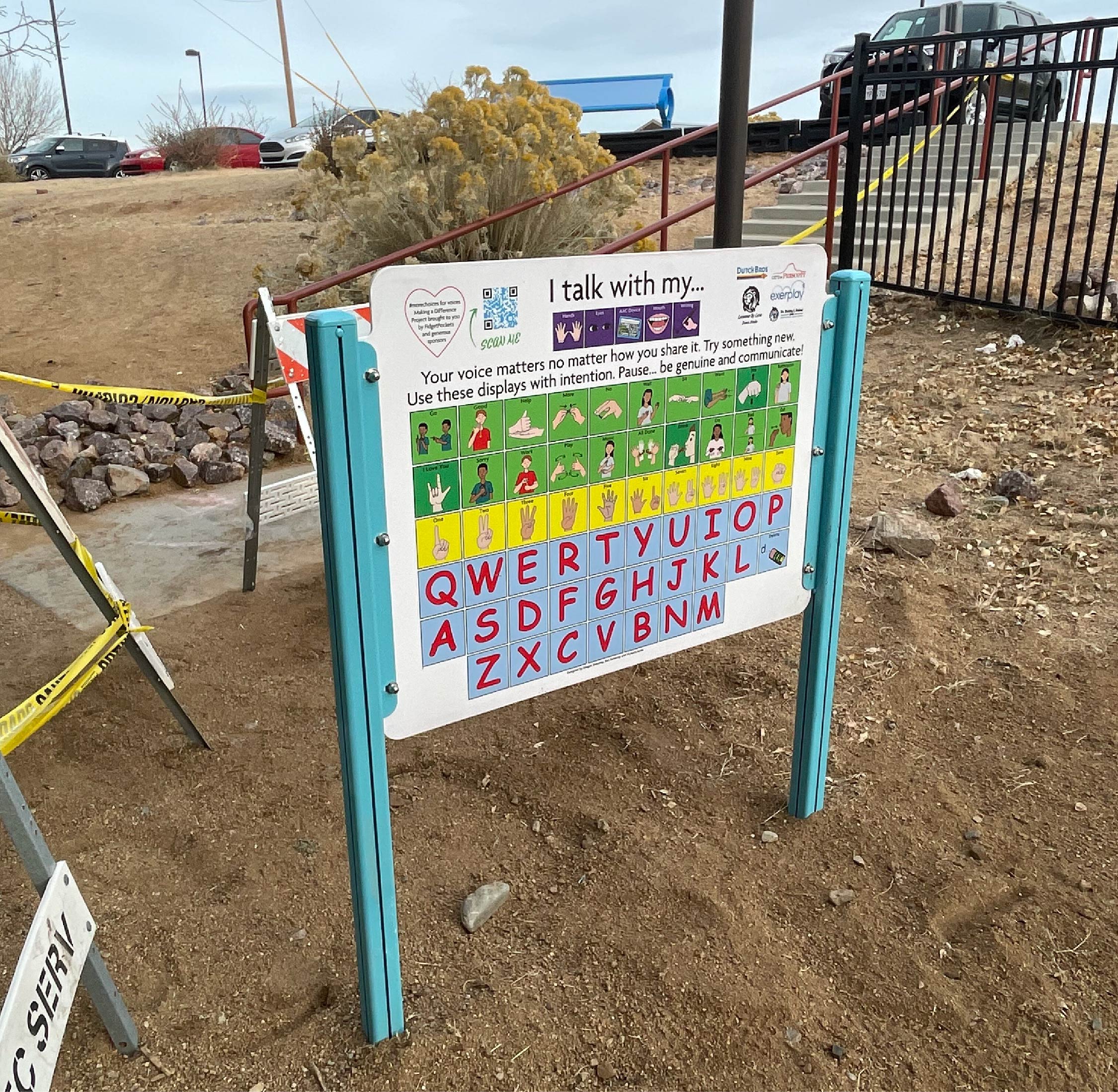
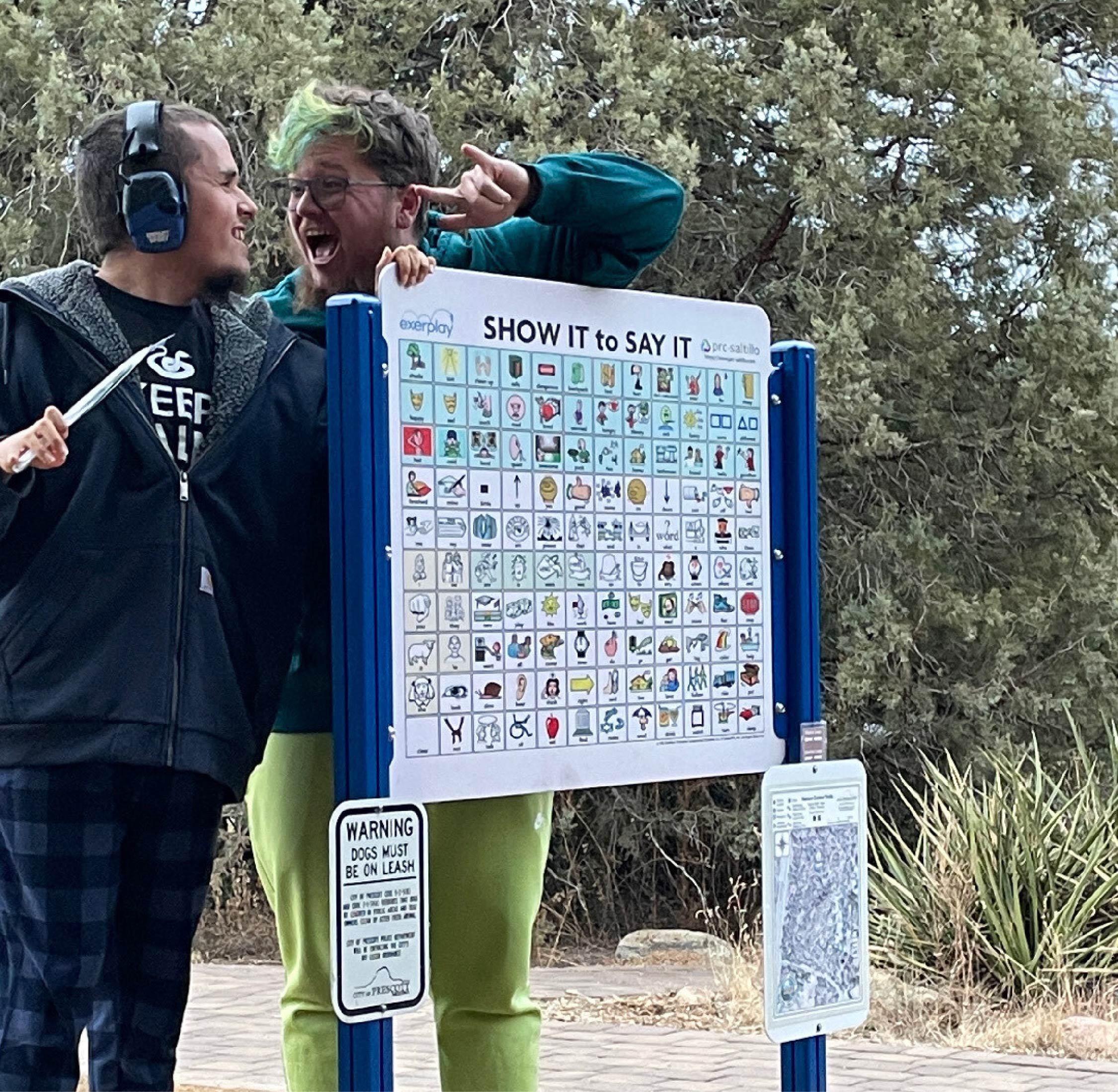
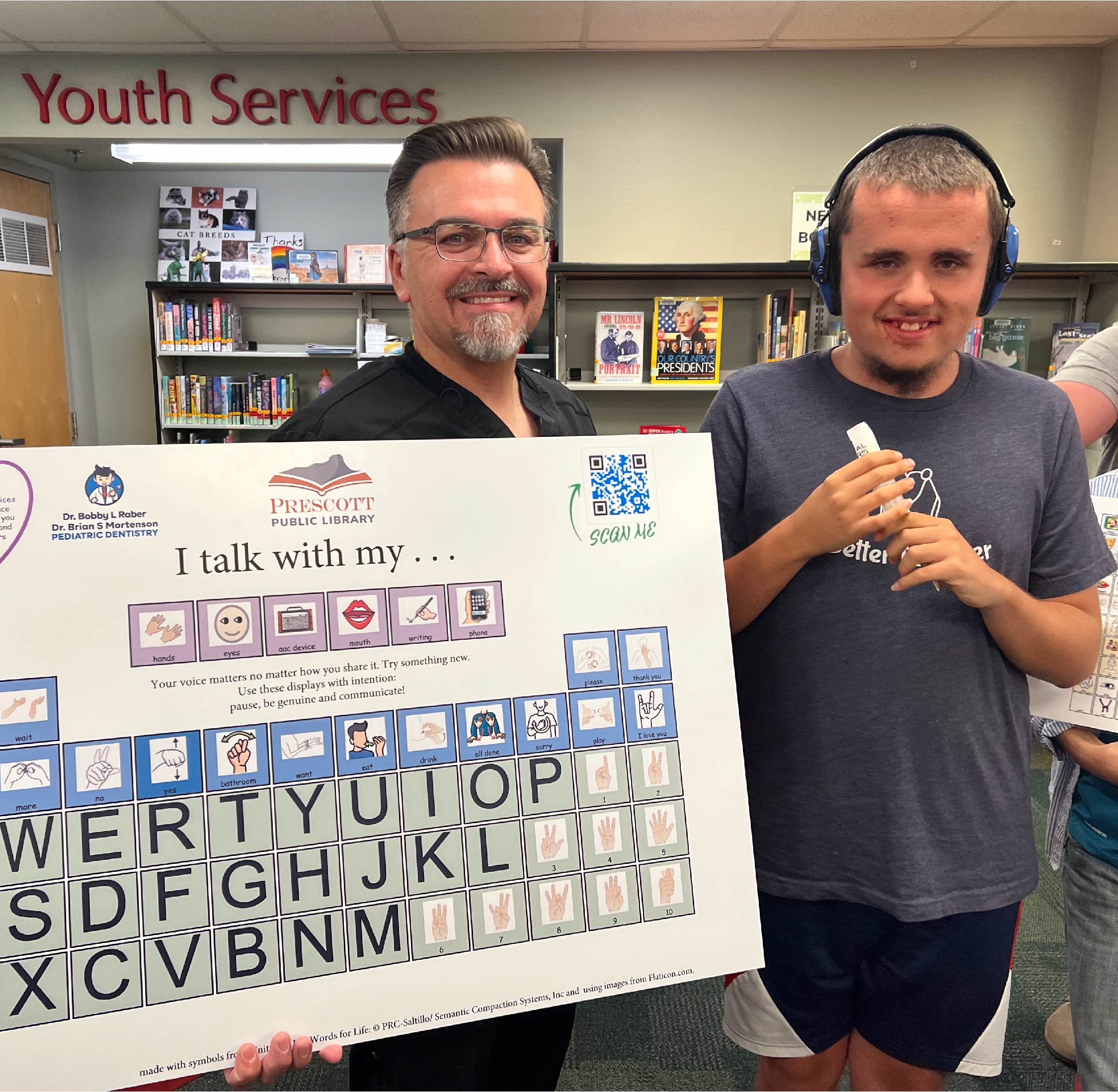
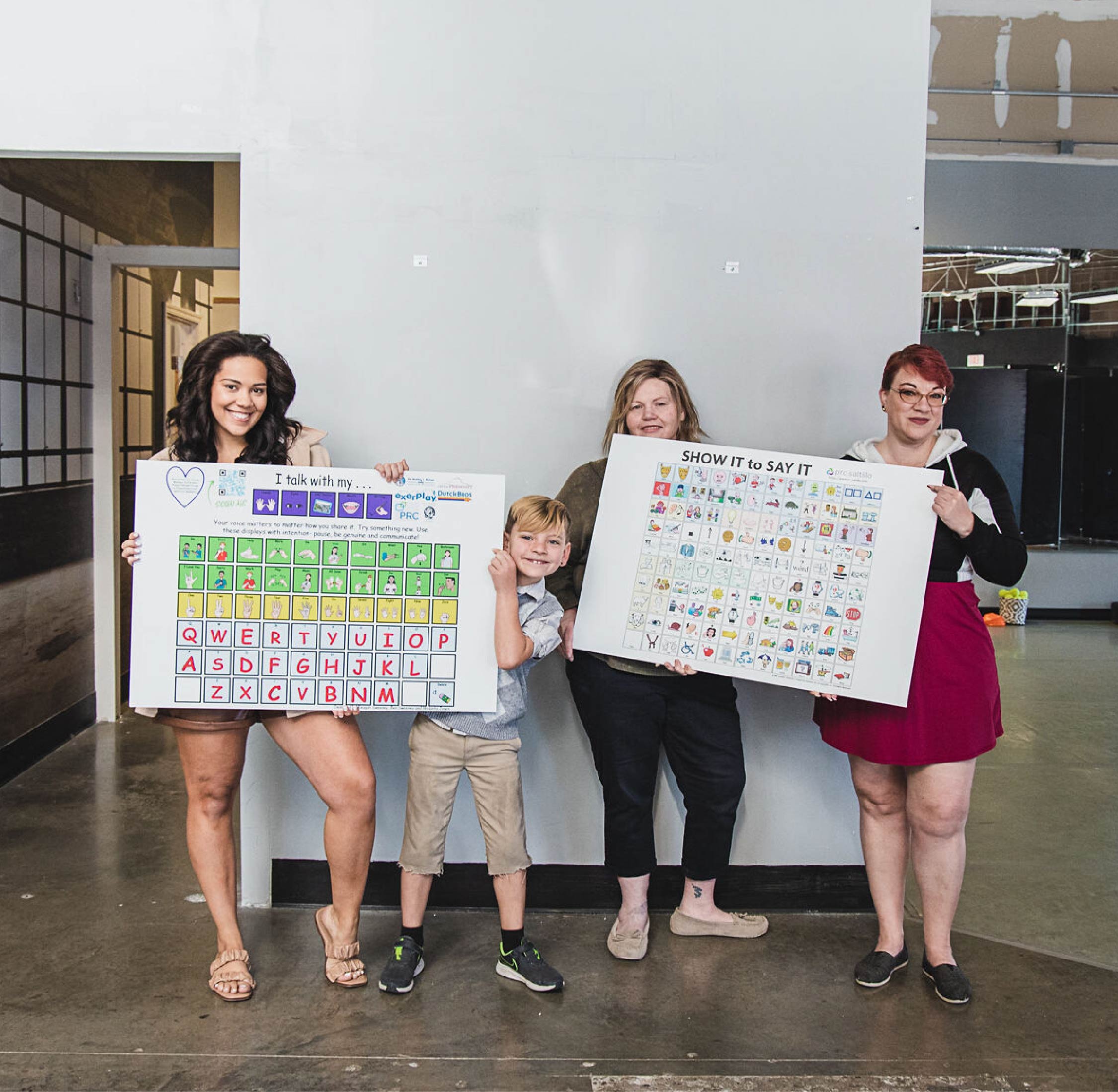
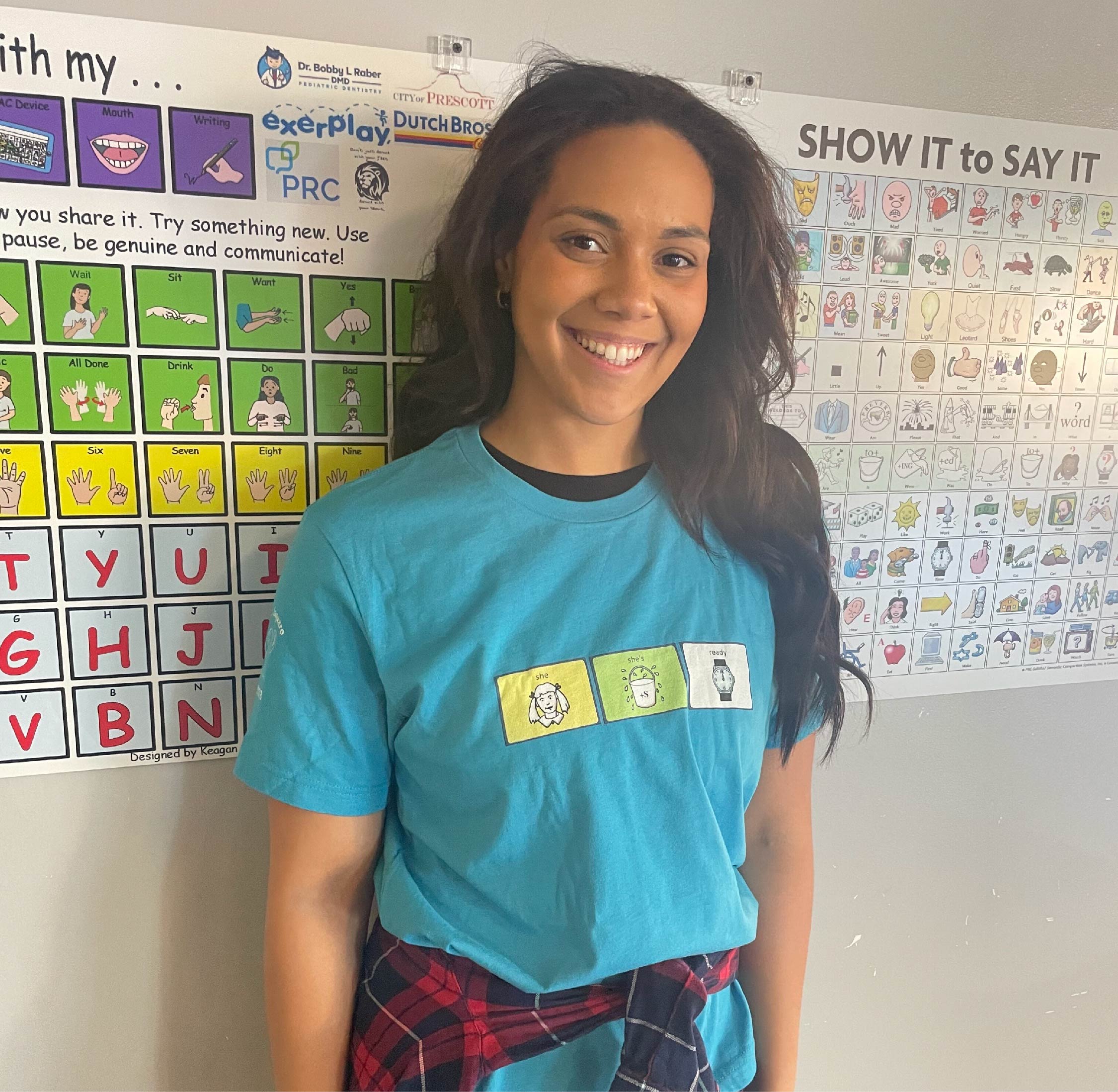
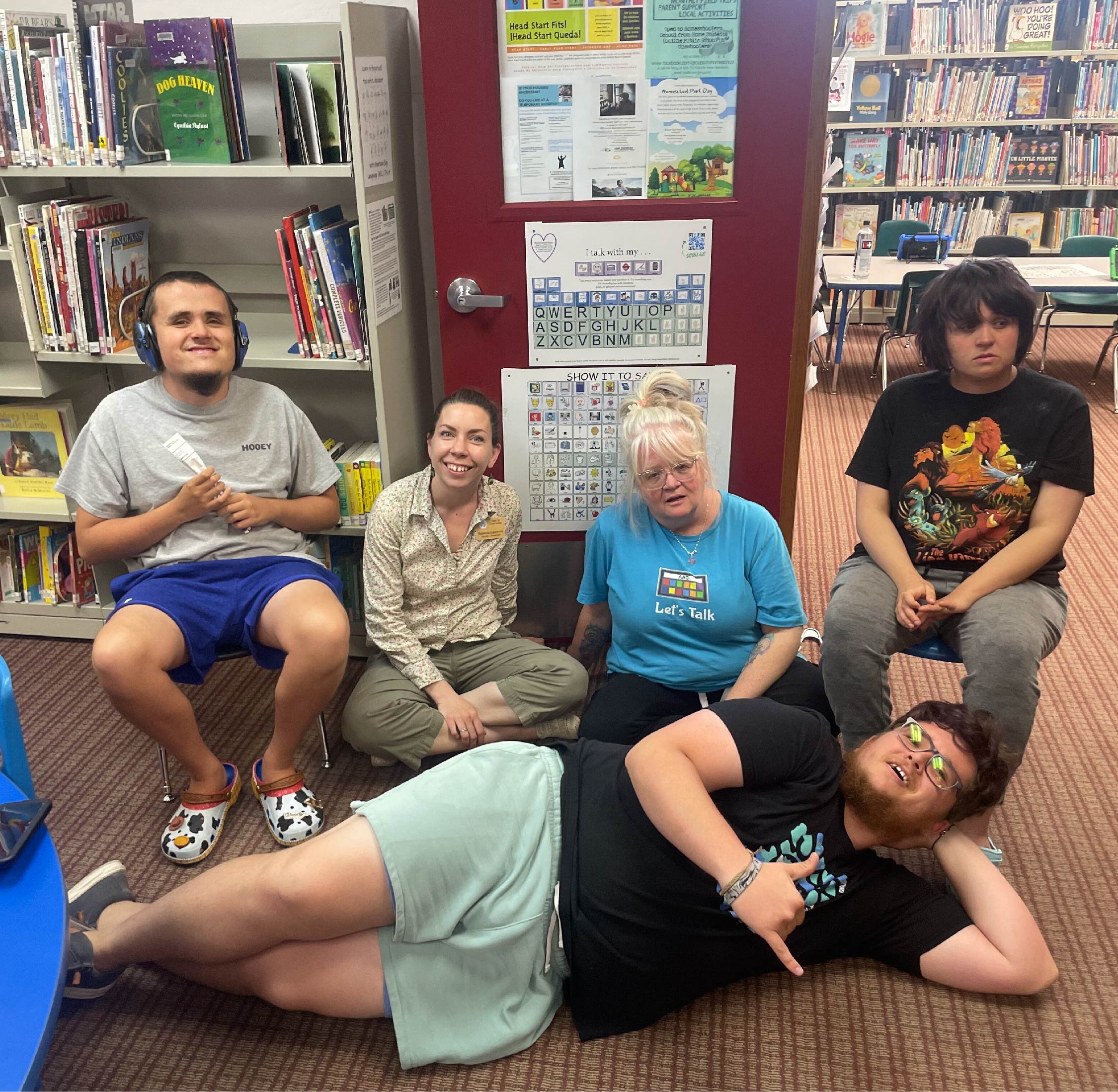
How to Get Permission to Install AAC Boards in Your Community
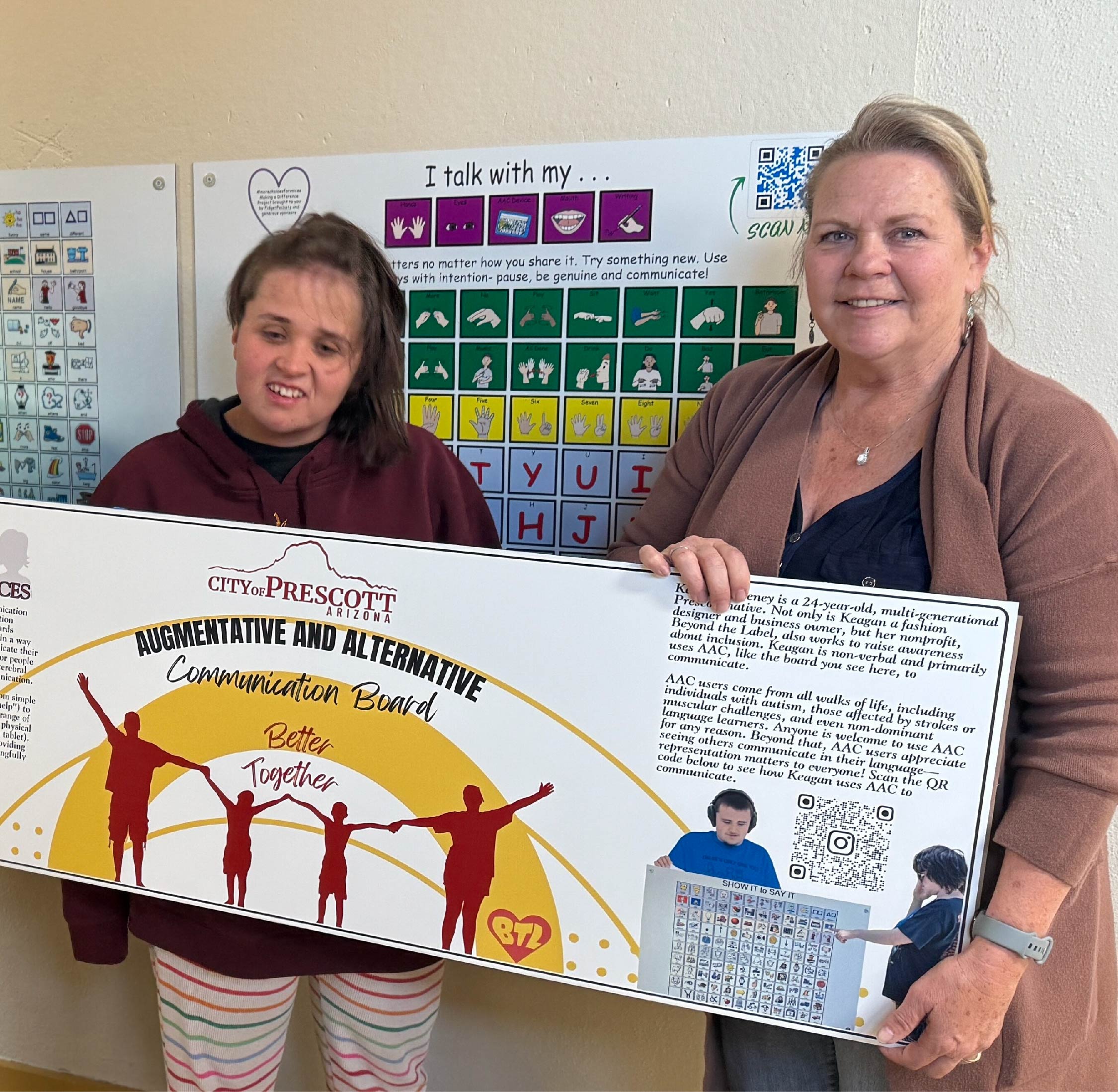
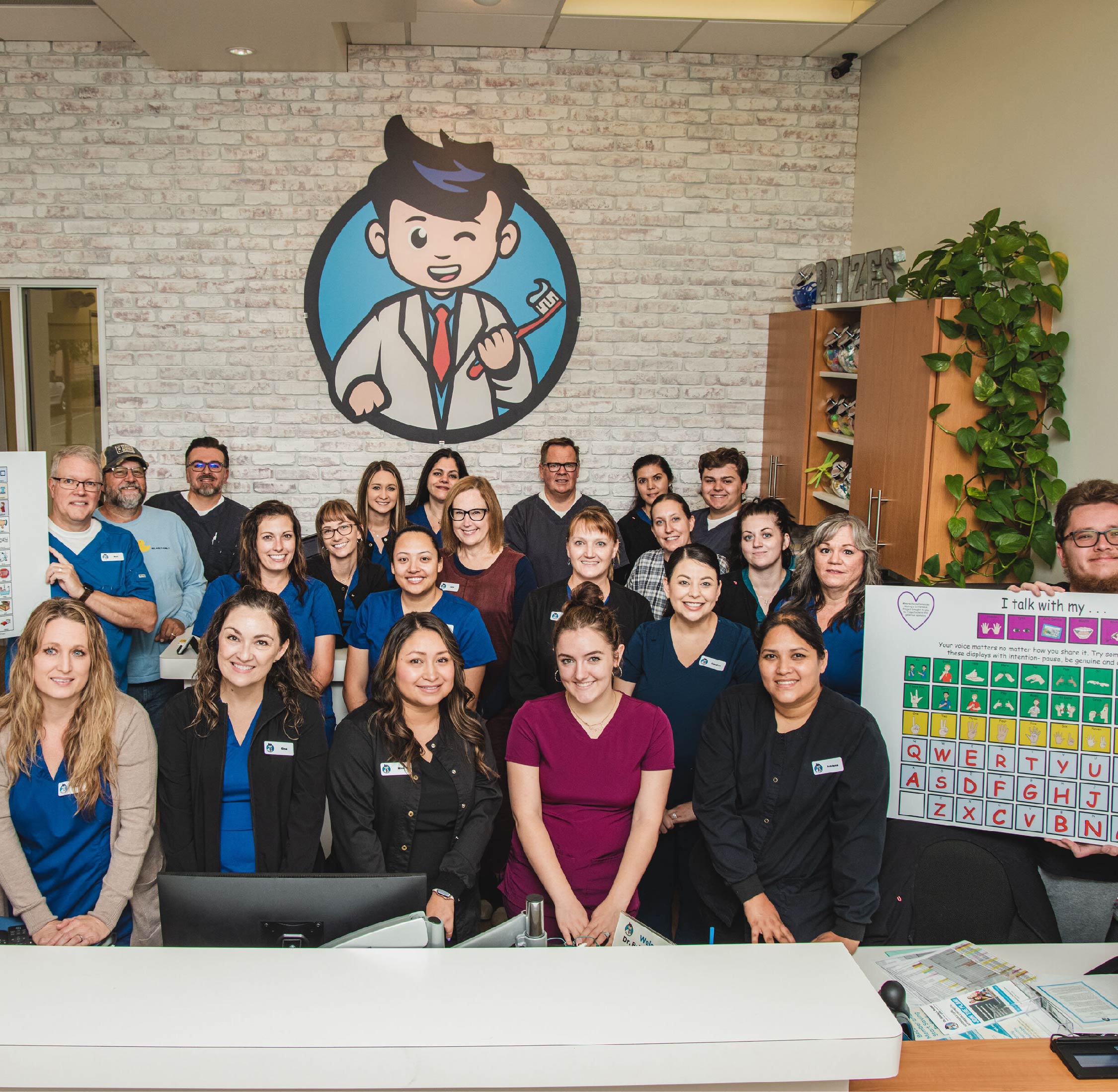
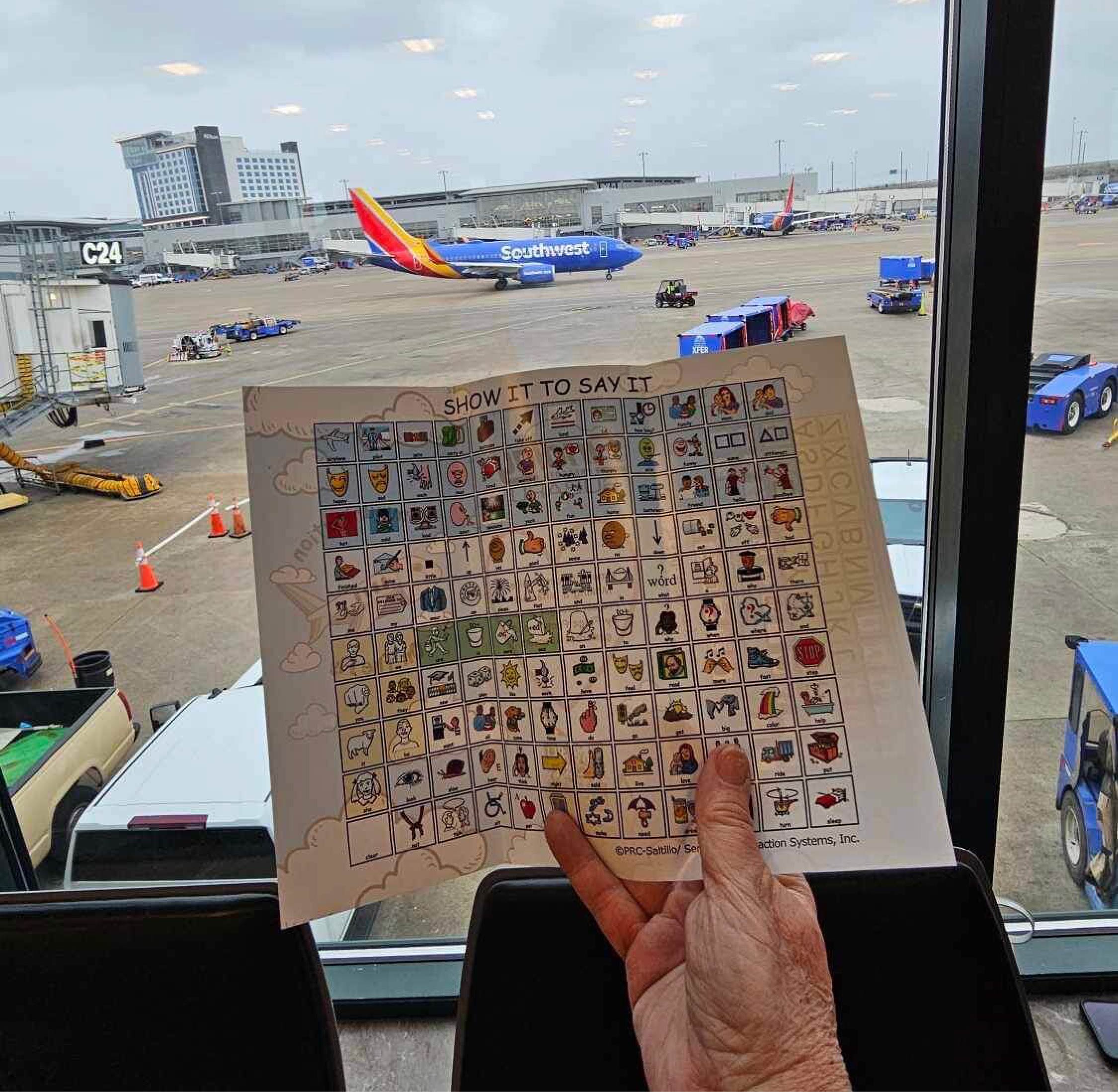
Installing AAC (Augmentative and Alternative Communication) boards in public spaces is a powerful way to make your community more inclusive and accessible for non-speaking individuals. Whether it’s a local playground, public park, school, business, or medical office, this guide will help you navigate the process of getting permission from local authorities and stakeholders.
And if you’re not sure where to begin—we at Beyond the Label are here to help. As a nonprofit organization dedicated to accessibility and inclusion, we can help guide you through the process. Feel free to reach out at www.BeyondtheLabel.life.
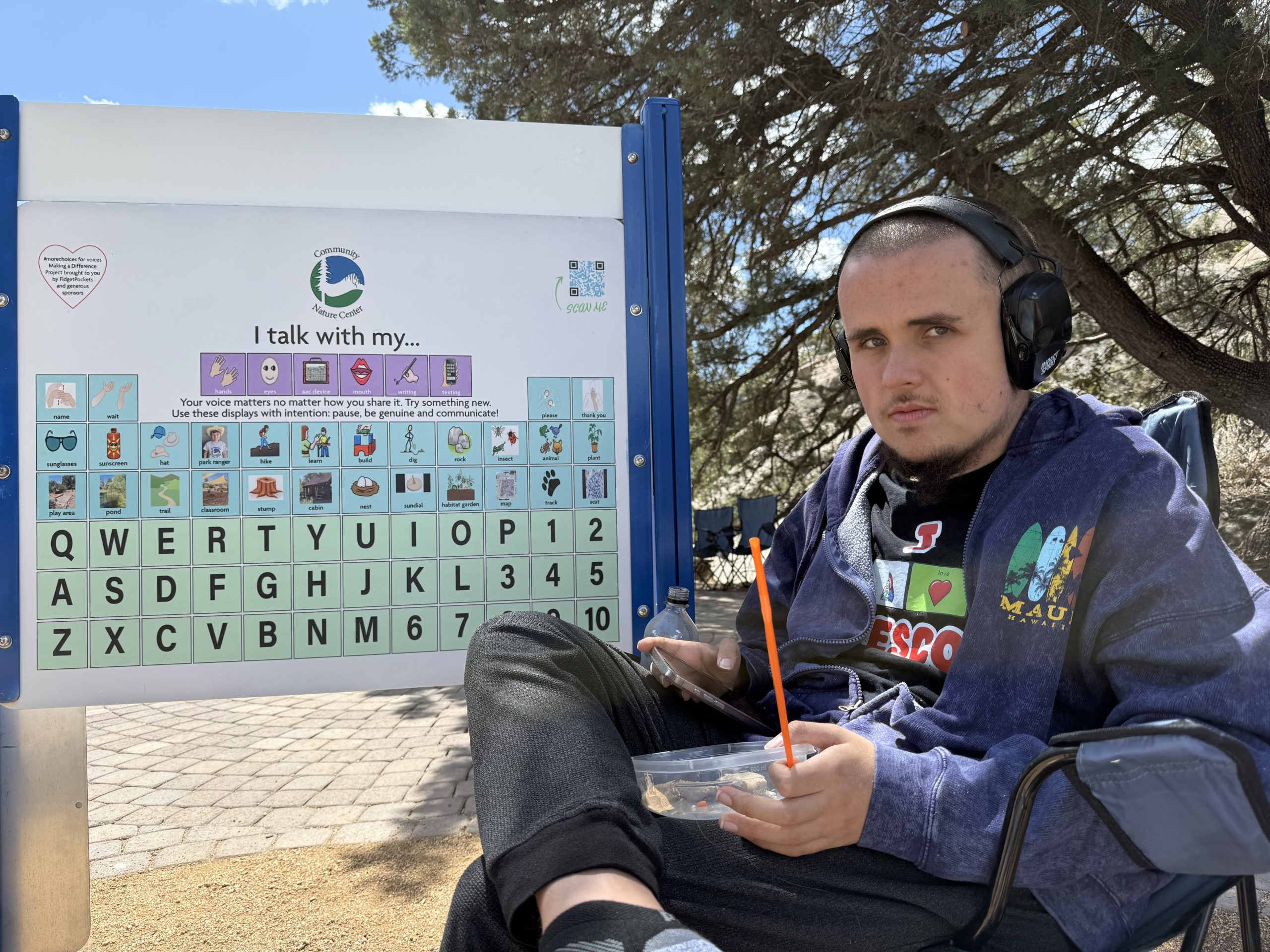
Step 1: Identify Your Target Location(s)
Start by deciding where you’d like to install the AAC board. Think about places where children and families gather, and where communication access matters. Common locations include:
- Public playgrounds and parks
- Schools or early childhood centers
- Dance studios and coffee shops
- Medical clinics (e.g., doctor’s offices, dental offices)
- Community centers or libraries
- Local businesses (e.g., restaurants, barbershops, grocery stores)
Each of these environments can benefit from increased communication access and inclusion.
Step 2: Find Out Who Owns or Manages the Space
Understanding who controls the property is essential:
- City or Town Governments usually oversee public parks and recreation areas.
- County Governments may manage regional parks or public spaces outside city limits.
- School Districts control school buildings and playgrounds.
- Private Businesses and clinics are managed directly by the owners or franchise managers.
Your city or county website can help you locate department contacts—or you can call your city council office or city manager’s office for guidance on who to speak with.
Step 3: Prepare Your Proposal
Approach your request professionally with a simple, informative proposal that includes:
- What an AAC Board Is: A visual communication tool that helps non-speaking individuals express themselves and engage.
- Why It Matters: AAC boards create a more inclusive and equitable environment for all, especially individuals with speech and language challenges.
- Benefits to the Community: Promotes inclusion, aligns with ADA goals, enriches public spaces, and educates the public about diverse communication needs.
- Design and Durability: Share photos or mock-ups, board dimensions, mounting plans, and information about weather-resistant materials.
- Cost and Funding: Let them know whether you’re requesting only approval or also financial support. Many communities approve installations that are fully funded by nonprofits or donors.
- Maintenance Plan: Offer a clear plan for upkeep. You can mention that Beyond the Label is available to assist or guide long-term maintenance needs.
Step 4: Reach Out to the Right People
Once you’ve prepared your proposal, reach out to the decision-makers:
- City or County Parks Department
- City Manager’s Office
- School District Special Education or Facilities Director
- Business Owners or Corporate Contacts
Send a brief email or letter, or request a short meeting. Emphasize how the board will enhance the space and benefit the community.
Step 5: Be Open to Feedback
Decision-makers may have questions or concerns, such as:
- Board placement, visibility, or aesthetics
- Safety and durability (e.g., vandalism, weatherproofing)
- Content accessibility (symbols, language, diversity of icons)
- Liability and long-term responsibility
Stay collaborative and flexible. Your willingness to adjust shows you’re focused on community impact.
Step 6: Funding & Installation
Some municipalities may help cover costs, especially if they have inclusion or ADA initiatives. Otherwise, funding can come from:
- Small local grants or community foundations
- PTAs, school booster clubs, or civic groups (e.g., Rotary, Kiwanis)
- Sponsorships from local businesses or clinics
- Crowdfunding platforms or donation drives
Beyond the Label can support your efforts by helping you explore funding options or connecting you with other advocates who have done this before.
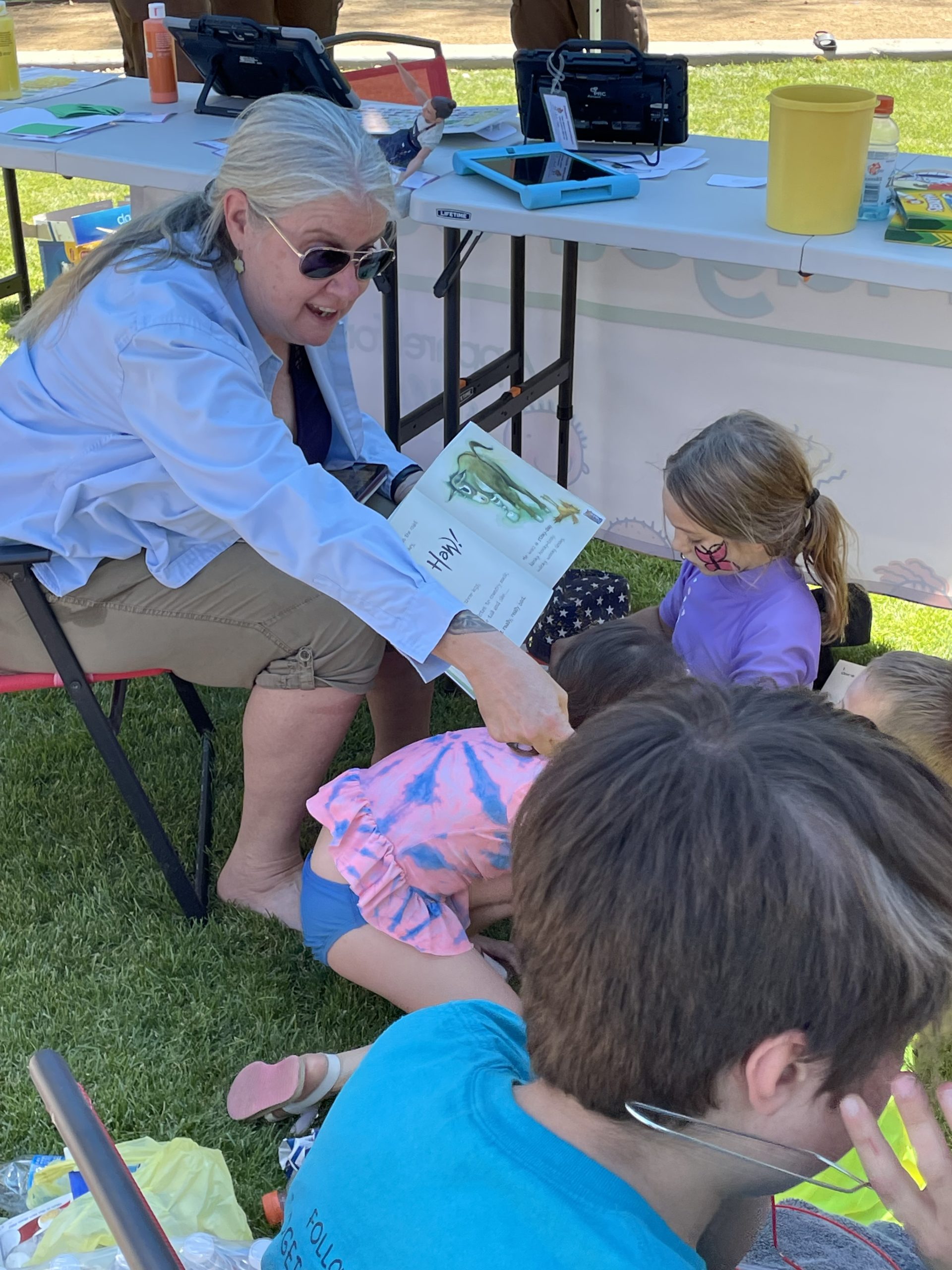
Step 7: Install and Celebrate!
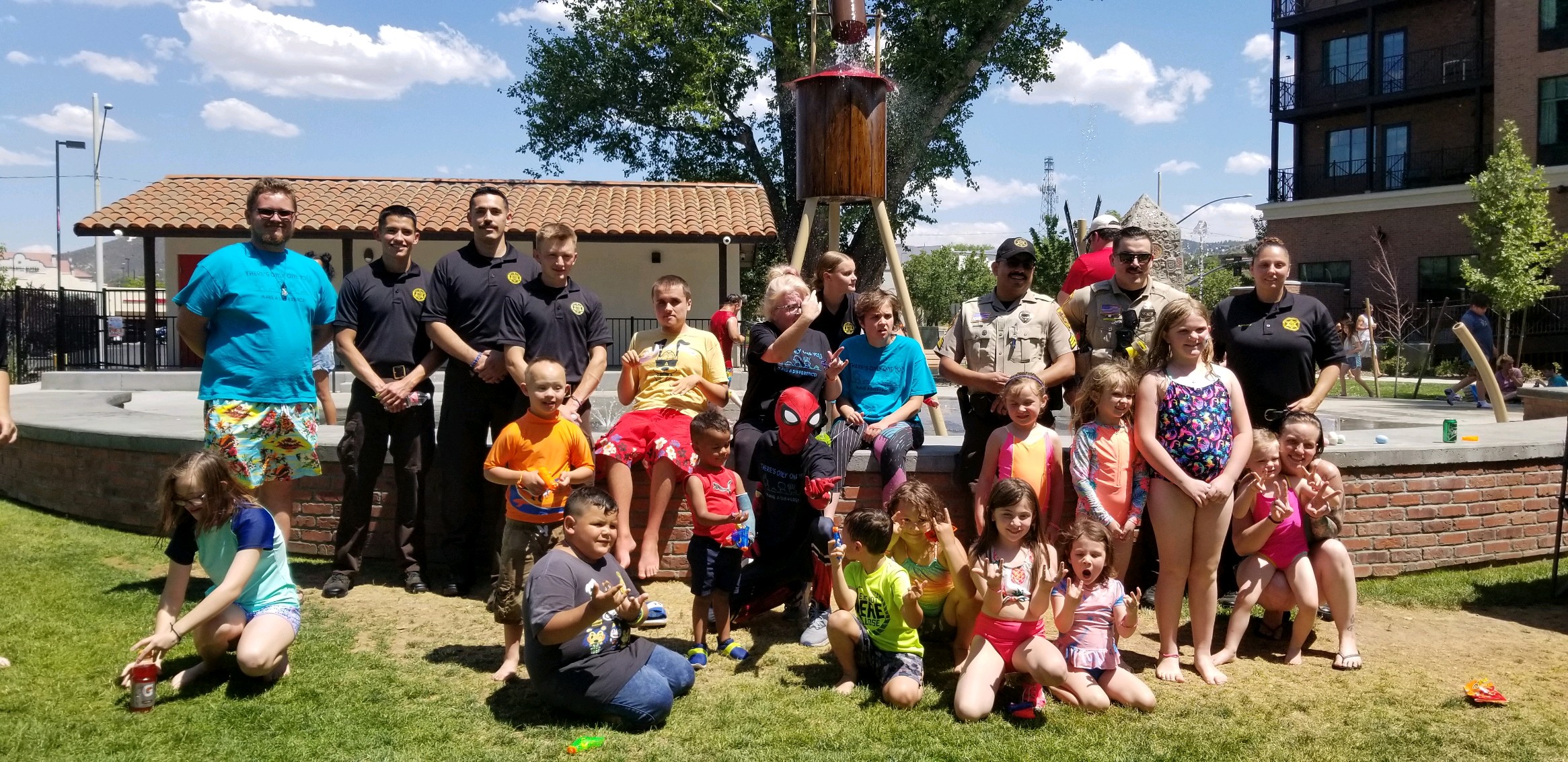
Once you have approval, arrange installation with city, school, or business staff. After the board is up, consider making it a moment to remember:
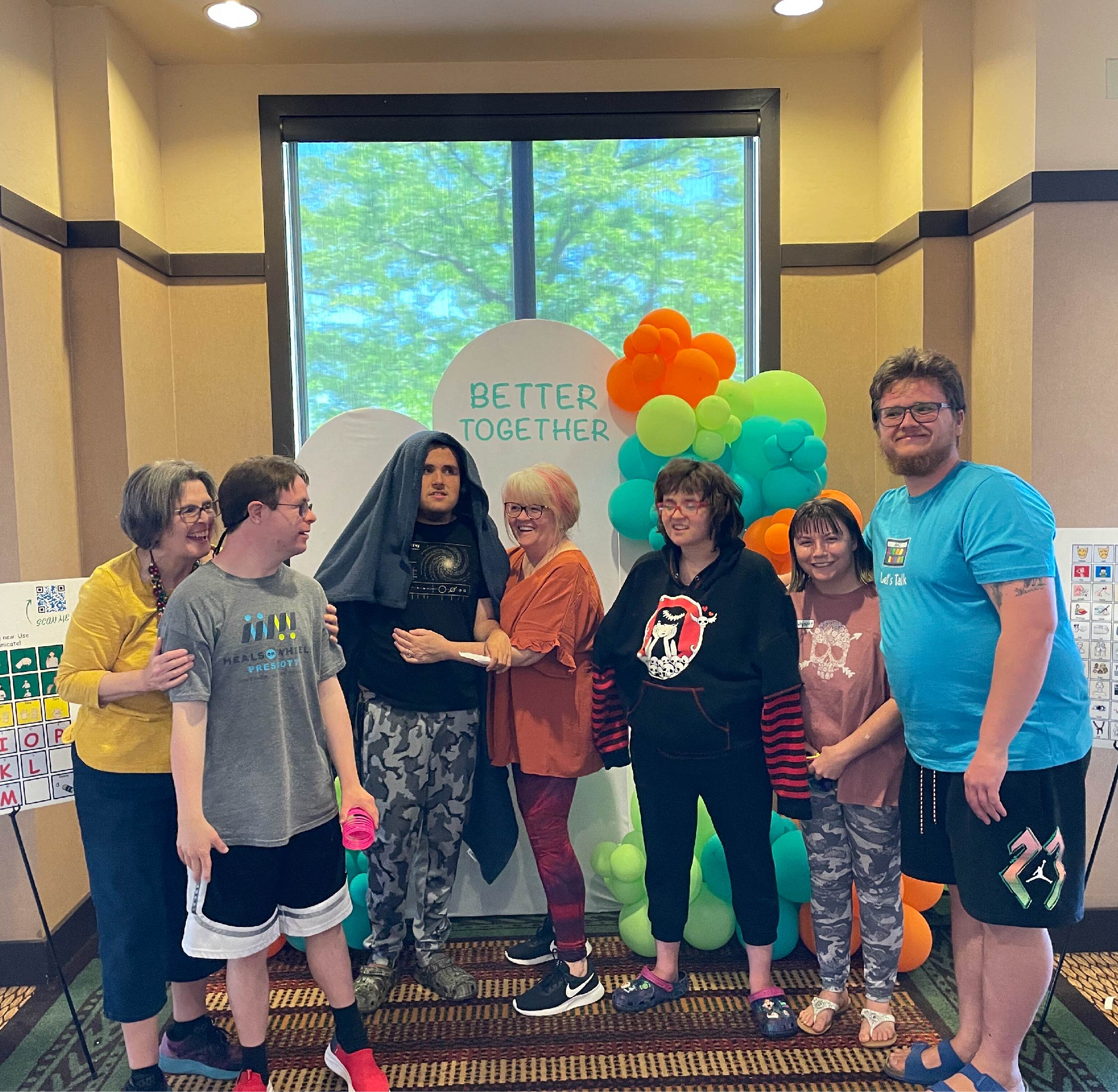
- Host a ribbon-cutting or family day
- Invite local families, schools, and news outlets
- Share pictures and success stories online
- Tag city officials, local organizations, and businesses who supported the effort
A little celebration can go a long way in building momentum and inspiring others!
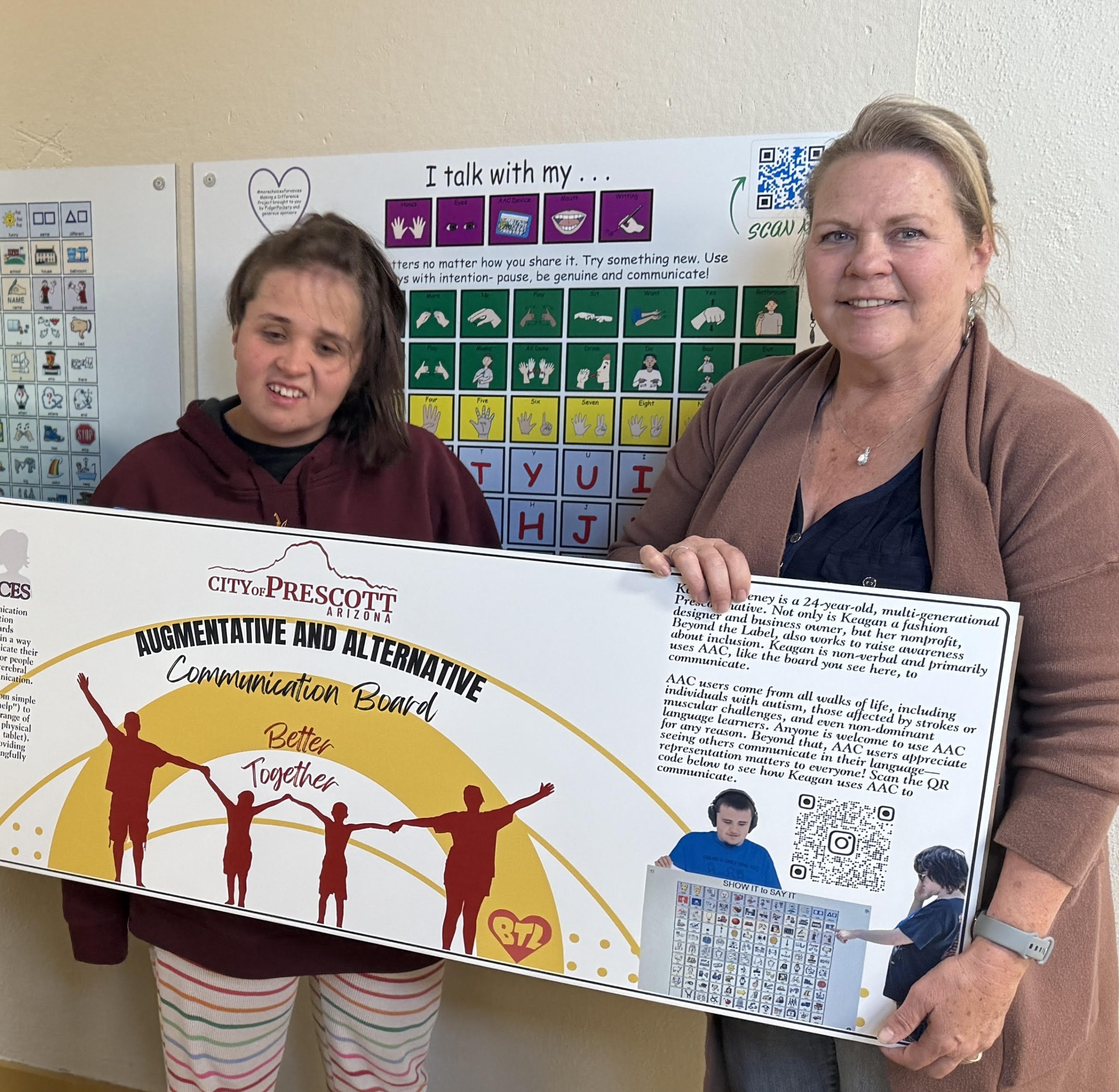
Tips for Success
- Make It Relatable: Help people imagine themselves in a similar situation.
“If you’re a city mayor, how would you communicate with your community if you couldn’t speak? What tools would you need?”
- Use Data That Resonates:
Did you know? If a person only has access to communication for 1 hour a week, it would take them 84 years to learn the English language. That statistic shows why consistent communication access matters.
- Partner with Experts: Speech-Language Pathologists (SLPs) can help design meaningful, developmentally appropriate boards.
- Use Local Numbers: Include how many non-speaking individuals or AAC users live in your area, if available.
- Be Clear, but Kind: Not everyone will understand AAC right away. Education and empathy go hand-in-hand.
- Be Persistent, But Respectful: Some decisions require follow-ups, meetings, or committee reviews. Stay patient and professional.
We’re Here to Help
If you’re passionate about creating a more inclusive community but don’t know where to start—Beyond the Label is here to support you.
- We can help design your proposal
- Connect you with experienced advocates
- Offer templates and tips for communicating with city officials
- Help identify potential funding sources
- Assist in planning your first installation
📩 Reach out today at www.BeyondtheLabel.life to take the first step.
Final Thoughts
Installing an AAC board isn’t just about signage—it’s about empowering voices, building awareness, and creating lasting change. Your advocacy has the power to make communication accessible to every member of your community
Let’s work together to make that happen.